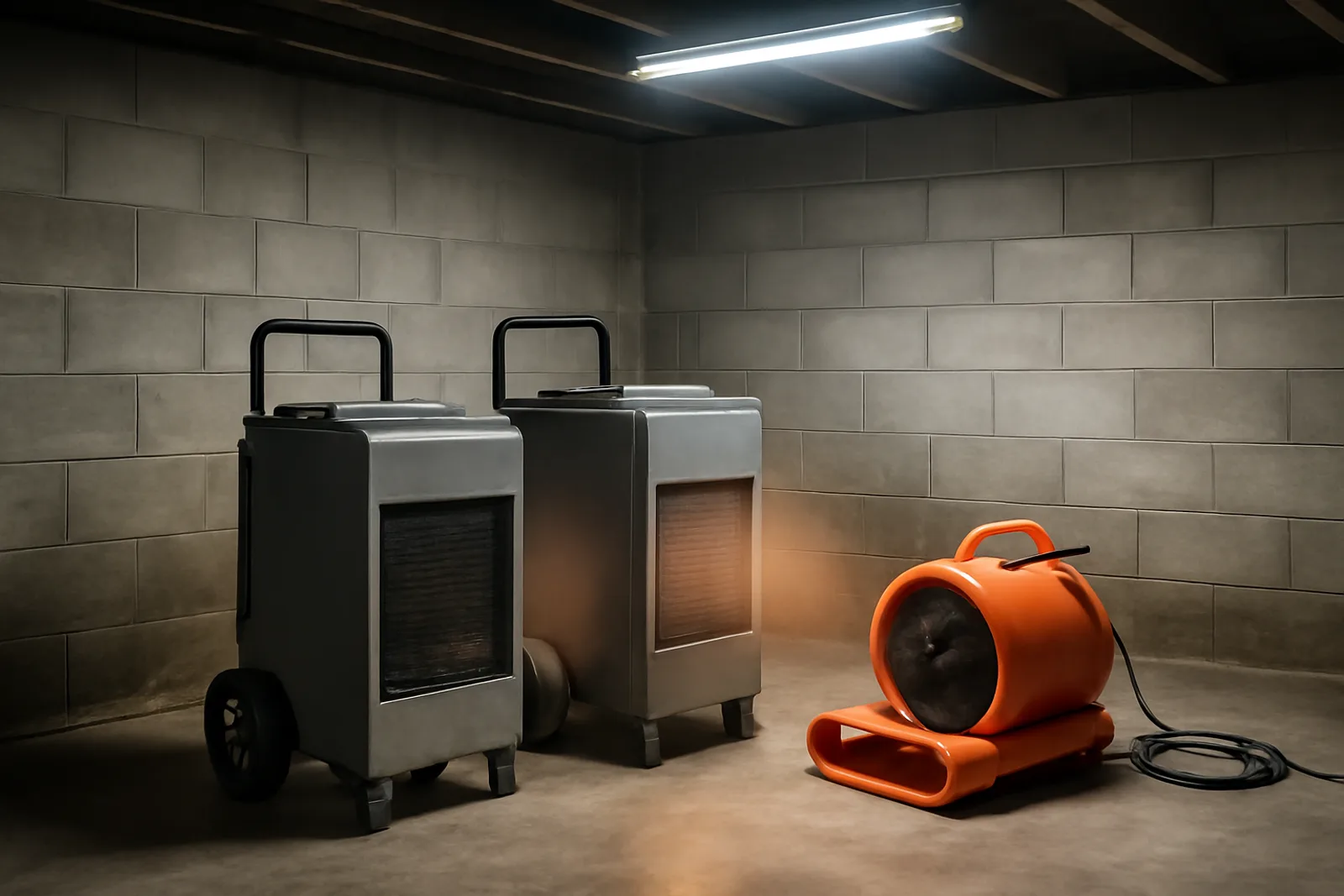
Practical restoration reading for Newark property owners about water losses, smoke damage, mold, and dealing with adjusters.

Newark's aging combined sewer infrastructure is the primary driver of residential water damage in the city's densest neighborhoods. Understanding how it works — and fails — is the first step in protecting your property.
Read more →The Ironbound's row houses and attached multi-families fail in specific ways when water enters. A restoration crew that understands the building stock addresses the damage correctly the first time.
Read more →Newark's inventory of below-grade residential units is large and concentrated in neighborhoods with active flood risk. Here is what both tenants and landlords need to know when water enters a basement apartment.
Read more →Newark's residential landscape is dominated by buildings constructed before 1950. Each type — row house, triple-decker, industrial conversion — fails in predictable and documentable ways when flooded. Knowing the pattern is the first step to recovery.
Read more →Newark's humid summers, dense pre-war housing stock, and history of water intrusion events make it one of the higher-risk markets in New Jersey for persistent indoor mold growth. Here is what owners and tenants need to understand.
Read more →A fire in one unit of a Newark row house rarely confines its damage there. Smoke, heat, and suppression water cross party walls, floor assemblies, and stud cavities in ways that require a specific assessment approach to catch completely.
Read more →Water, fire, storm, mold, or sewage — call any hour and a Newark crew rolls fast. One team owns it from the emergency call through the finished reconstruction.